Process safety focuses on the prevention of incidents involving leaks, spills, fires or explosions by making sure that facilities are well designed, safely operated and properly maintained.
Course Overview
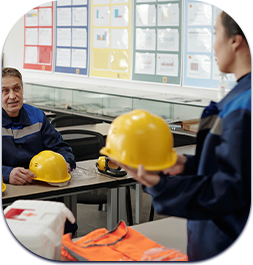
Process safety focuses on the prevention of incidents involving leaks, spills, fires or explosions by making sure that facilities are well designed, safely operated and properly maintained. In particular, it involves ensuring that facilities are designed and engineered properly with systems in place to monitor and control hazards. Process safety may also be considered the result of a wide range of technical, management and operational systems working together to achieve the desired outcome. When the desired outcome is not achieved, a process safety incident occurs.
Major incidents continue to occur in the process industries, yet many investigations reveal shortcomings where effective management using process safety performance indicators (PSPM) and process safety management (PSM) audit programmes could have reduced the risk of such an occurrence. This course will help you understand how to improve the effectiveness of process safety performance indicators and process safety management audits. It examines the guidance published by the Health and Safety Executive and others to help create and implement an effective process safety performance programme.
FIRE HAZARD MANAGEMENT FOR REFINERIES AND TANK FARMS
The term Hazard Management refers to the process of Hazard Identification and Risk Assessment (HIRA), risk ranking and further controlling/reducing the risks to acceptable or tolerable levels.
Course Overview
The term Hazard Management refers to the process of Hazard Identification and Risk Assessment (HIRA), risk ranking and further controlling/reducing the risks to acceptable or tolerable levels.
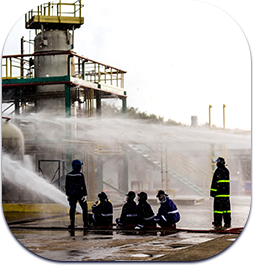
This course is designed for professionals involved in fire safety in refineries, tank farms and associated facilities. Delegates will gain in-depth knowledge of all aspects of assessing and controlling fire hazards at refineries and associated facilities, thus allowing them to develop, implement or audit appropriate, cost effective fire hazard management practices.
CERTIFIED HAZARDOUS WASTE MANAGEMENT AND POLLUTION
Improper storage of hazardous chemicals both products and wastes – incompatible inspection of containment materials, using hazardous products
Course Overview
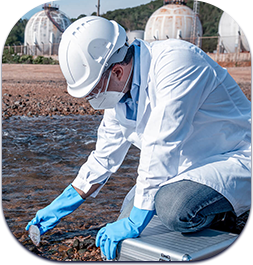
Improper storage of hazardous chemicals – both products and wastes – incompatible inspection of containment materials, using hazardous products when non-hazardous products are available and inadequate training of staff are some of the leading causes of environmental contamination.
Contamination can come in many forms. Some examples of contamination are ground and surface water, land, air, radioactive, food, noise, molds, odor, construction, vibration etc and invariably, if these contaminants are not properly dealt with, will result in pollution and in certain situations serious health problems.
This course will give some details on these various types of contaminants and the new frontiers in eliminating or minimizing these contaminants, the use of effective non-hazardous products in your company and also environmentally acceptable methods of disposal for both hazardous and non-hazardous wastes.